


Go Back
News
School News
Technology as Our Vessel, Civilization as Our Journey Year 7 “Technology and Civilization” Experiential Learning at YWIES Beijing
School News
19 Jan, 2026
21 : 17
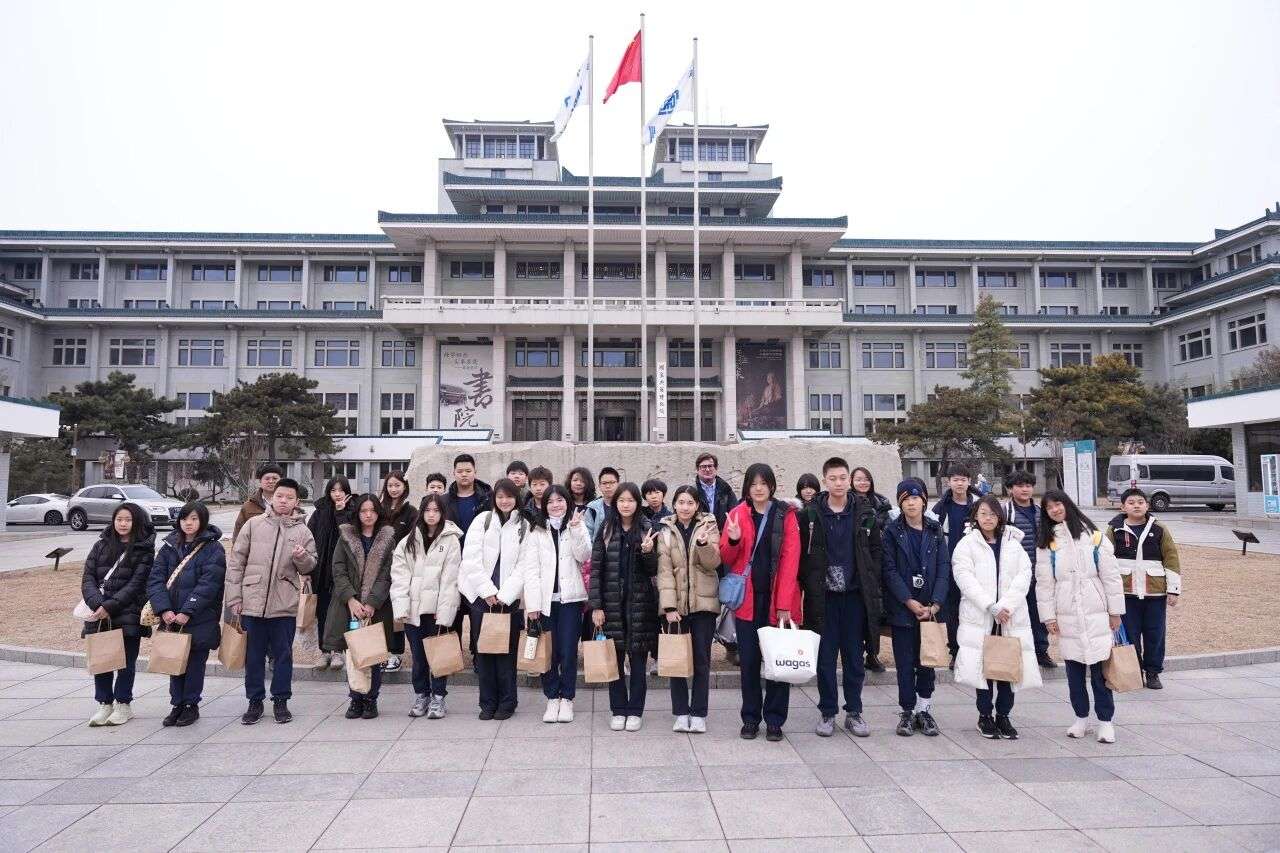
Winter sunlight penetrated the dome of the National Library as the 7th-grade students of Yew Wah Beijing Campus immersed themselves in the experience of rubbing and copying ancient inscriptions. Spreading out rice paper, with the fragrance of ink wafting in the air, they personally touched the patterns of history and engaged in a timeless dialogue with ancient craftsmanship.
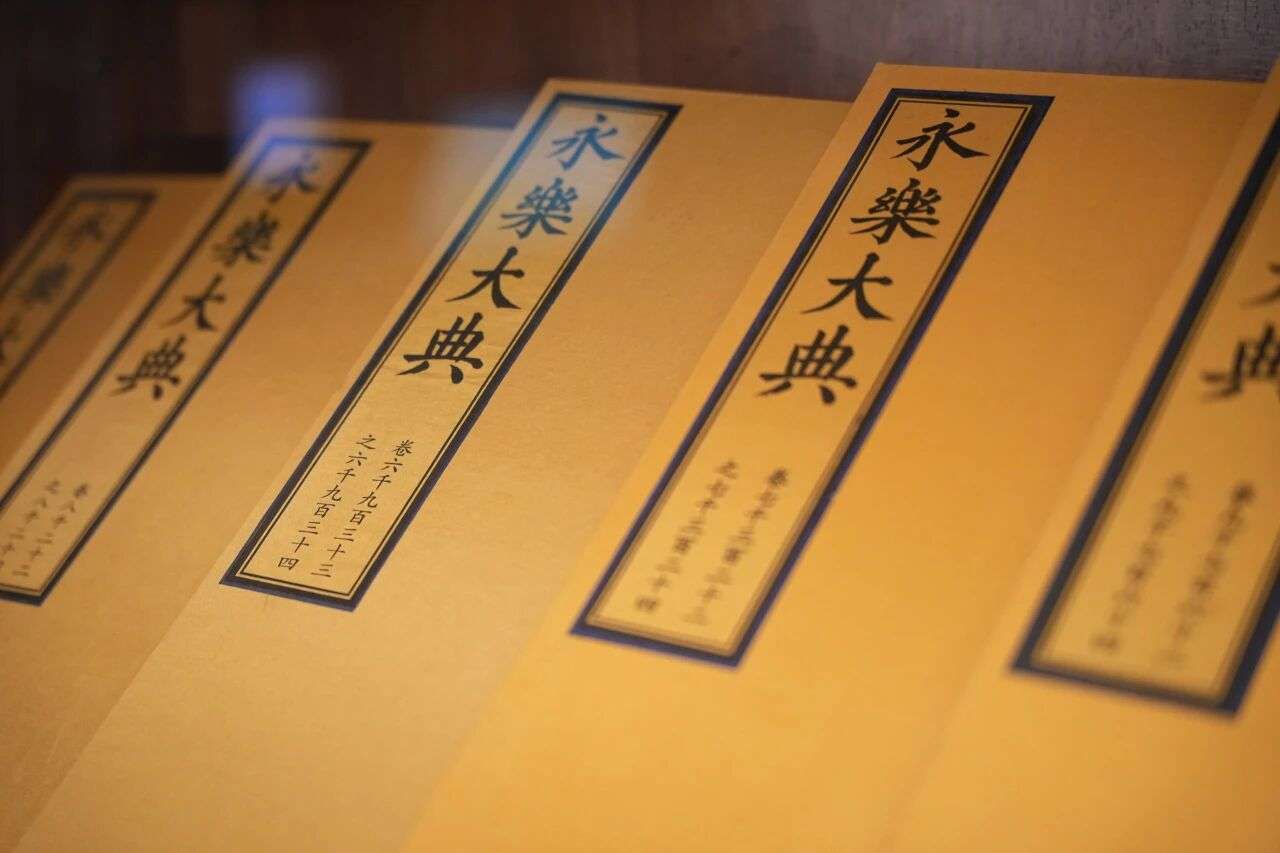
Afterwards, the group visited the Rare Books Museum, where upon seeing the fragments of the Yongle Encyclopaedia, they gathered closely around the display case, fingertips hovering just above the glass, as if feeling the warmth of the ancient scribes.
This "Inheritance and Reflection on Technology and Civilization" study activity combined hands-on traditional craft practice with viewing classical texts, enabling the young students to grasp the profoundness of civilization and understand the connection between heritage and innovation.
Classroom
When “Movable Type” Meets
the Wisdom of the Northern Song Dynasty
The reflective groundwork for the study tour had already begun in the Chinese language classroom. Ms. Tao, the Chinese subject coordinator, used “How to Make a Book” as the entry point, gradually guiding students from the evolution of writing and changes in writing materials to the development of printing and bookbinding technologies, step by step encouraging exploration.
When studying “movable type,” Ms. Tao led the class to focus on discussing the advantages and disadvantages of movable type printing versus woodblock printing. As students imagined making “movable types” and typesetting for printing, some couldn’t help but exclaim, “This is much more complicated than typing on a phone.” Seizing the opportunity, Ms. Tao prompted and guided them to clearly understand that although woodblock printing allows mass production, carving the blocks is time-consuming and labour-intensive, and corrections are difficult; whereas the “movability” of movable type—the ability to reuse types, flexible typesetting, and lower cost—is its core advantage. Because of this, Shen Kuo’s description that “if printing dozens, hundreds, or thousands of copies, it is extremely fast” takes on a more vivid meaning, laying the foundation for later study to understand the “innovation of civilization’s carriers.”
2
Study Tour
Exploring Cultural Heritage through Exhibition Viewing
and Rubbings to Understand Inheritance
The core classroom of the study tour was formed by the National Library exhibition hall and the rubbing experience area. In the “Exhibition of Outstanding Traditional Chinese Cultural Classics” and the “Return and Reconstruction of the Yongle Encyclopaedia” exhibition, students traced the cultural lineage through oracle bones, bamboo slips, stone inscriptions, and rare books. Facing the treasured Yongle Encyclopaedia fragments, the guide’s solemn words resonated: “The original volumes are missing, the copies were looted, and generations of scholars have relied on transcription and restoration to preserve parts of its content.” The students paused in contemplation, truly realizing that “what is precious is not just the paper, but the reverence for knowledge.”
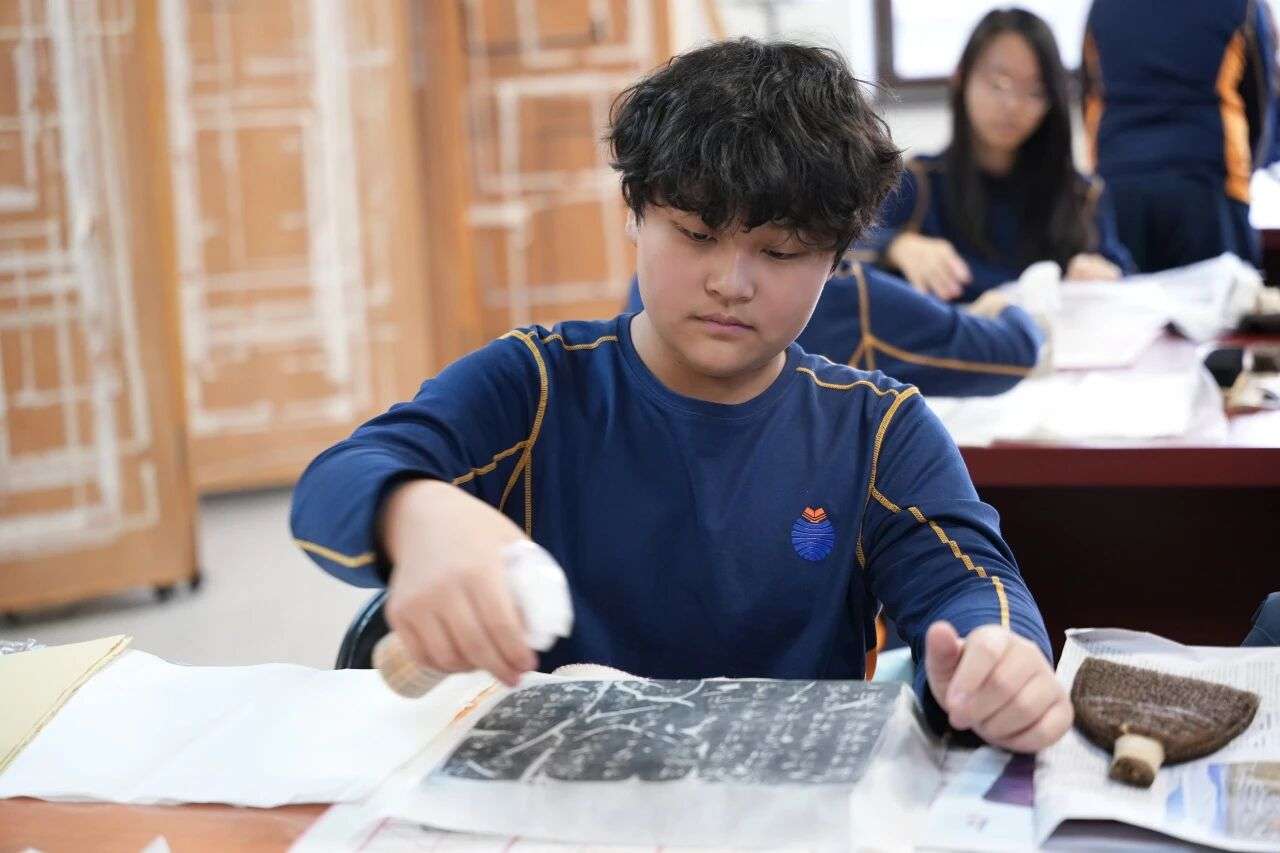
The profound reflections from the exhibition transformed into vivid practice in the rubbing workshop. This traditional intangible cultural heritage technique for preserving artifacts and documents has now entered the public eye. Under the teacher’s guidance, students learned the rubbing process and tried flat rubbings of stele inscriptions, bronze mirrors, and coins. During paper laying, dampening, and inking, there were minor mishaps like reversed characters and uneven ink, but when the final works emerged, everyone cheered while holding up their pieces.
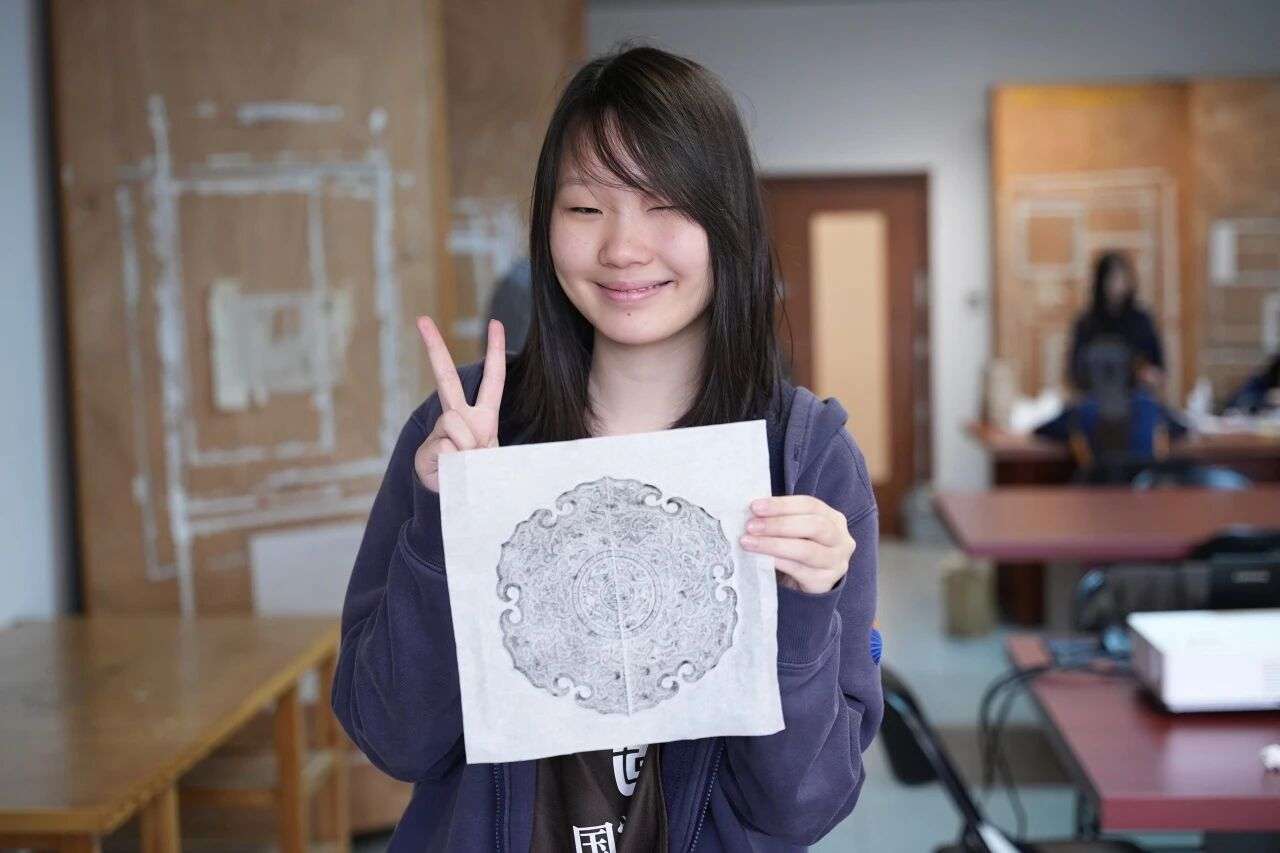
Seventh grader Wendy completed five rubbings in a row, progressing from crooked prints to neat ones. She exclaimed, “Ancient people had no advanced technology, yet they used simple methods to make the characters and patterns ‘live forever’—so wise!” The intertwined insights from viewing and rubbing helped students understand a dialectical relationship: “Technology accelerates the spread of writing, but emotional warmth is the soul of civilization; love and commitment to culture never change.”
In an Era of Rapid Technological Advancement What Should We Protect?
After returning from the study tour, the students’ reflections far exceeded expectations. Combining the heritage of the Yongle Encyclopaedia and the intangible cultural heritage value of rubbings, they engaged in lively discussions: “Ancient people protected classics through meticulous copying; how should we safeguard today’s civilization?” Some proposed the digitalization and popularization of ancient texts, others advocated using technology to monitor cultural relics and support intangible heritage preservation, while some concluded, “Technology assists inheritance but does not replace it; traditional wisdom and emotions remain at the core.”
Teacher Tao summarized their growth with “three transformations”: from passive acceptance to active questioning, from viewing technology in isolation to systematically considering its relationship with civilization, and from focusing solely on technology to reflecting on ethical values. From oracle bone inscriptions to movable type ink, from classic text transmission to the fragrance of rubbings, and now to the wave of digitalization, technology continuously reshapes the form of civilization. What Yew Wah students demonstrated was not only critical thinking but cultural consciousness—they understand that no matter how technology evolves, reverence for civilization and responsibility for inheritance will always be the profound strength of the Chinese people.
This is the most beautiful form of education—letting history illuminate the present, practice connect with reflection, and culture light up the future.


YWIES Beijing Yizhuang is a Child-Safe School
Click HERE for our Child Protection Policies and Procedures
© Yew Wah International Education School of Beijing Yizhuang 2022. All rights reserved