

Go Back
News
School News
Yew Chung Yew Wah IG2 Students: From Classroom to Streets, Experiencing the Warmth of Society Through Action
School News
24 Apr, 2026
15 : 51
IGCSE Global Perspectives Course
From Classroom to Streets, Experiencing the Warmth of Society Through Action
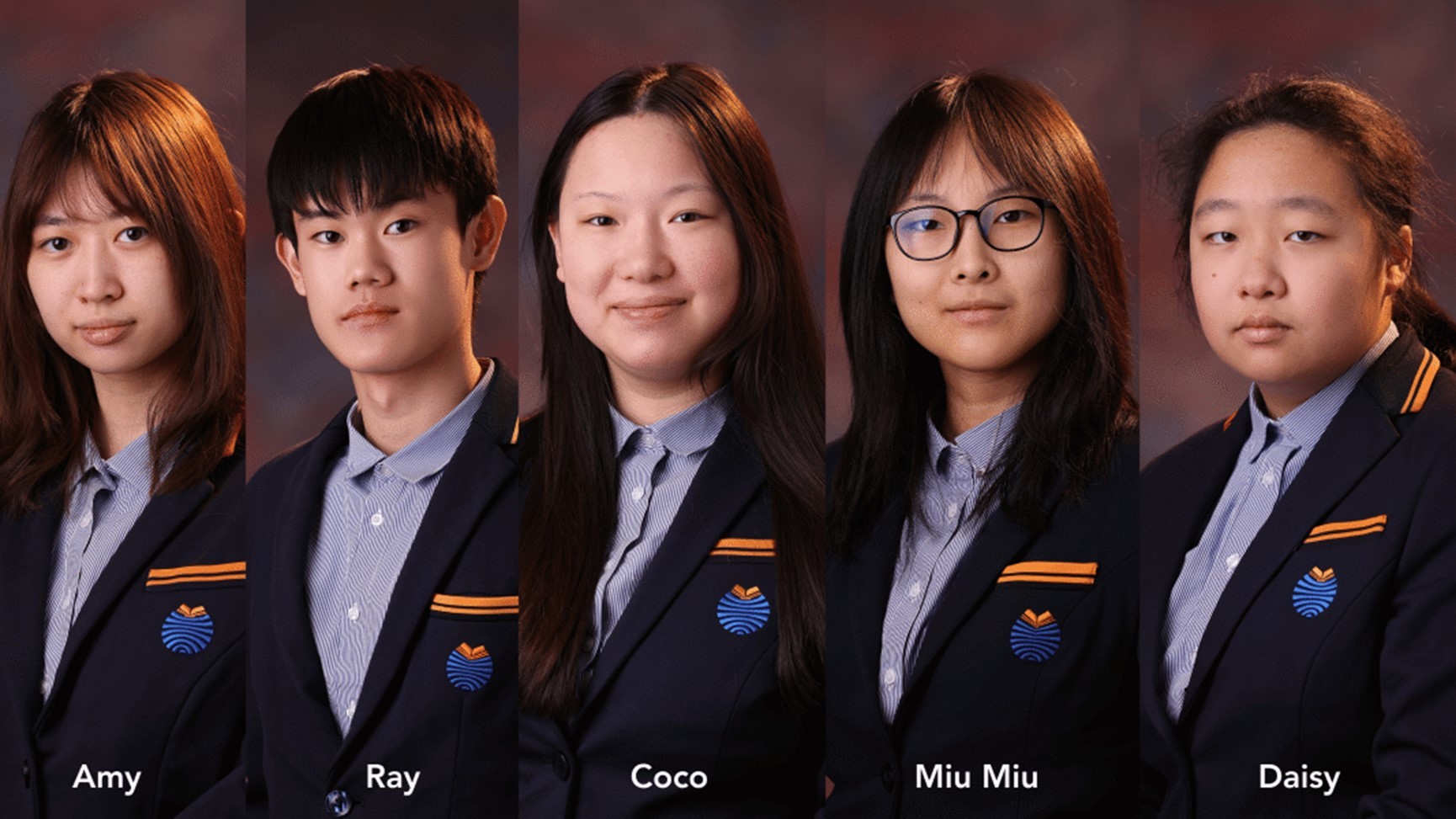
On the city streets, a group of teenagers is exploring the world in a unique way—they sometimes move cautiously, and at times nearly stumble over obstacles. This is not a game, but the “Blind Path Experience” conducted by IG2 students Coco, Miumiu, Daisy, Amy, and Ray from Yew Chung Yew Wah.Click to Watch
This practical project, originating from the IGCSE Global Perspectives course, vividly and profoundly demonstrates the power and significance of education.
PART.01Classroom TheoryIlluminates Reality
IGCSEGlobal Perspectives Course
As a core subject of the IGCSE curriculum, Global Perspectives at Yew Chung Yew Wah never settles for mere theoretical discussions. When classroom debates focused on “urban accessibility facilities,” the students went beyond case study analysis and spontaneously formed research groups to embark on a journey of “micro-observation” within the city. They recalled, “This course feels more like a tool for developing skills; it not only teaches us knowledge points but also hones our logical thinking and text analysis abilities, which are equally important in other subjects.”
Within the group, every member actively contributed their efforts. Together, they created a heat map of blind path occupancy in the Yizhuang area, documented instances of illegal occupation, interviewed visually impaired individuals, and produced a data analysis report titled “The Folded Blind Path.” This problem-based learning approach integrates the United Nations Sustainable Development Goals into the curriculum, encouraging students to apply interdisciplinary thinking to solve real-world problems.
PART.02Awakening a Sense of Social Responsibility Through Action
IGCSEGlobal Citizenship Awareness
The project participants reflected in their journals, “We realized that every raised tactile tile is like a ‘cliff’ for the visually impaired.” Seeing blind paths occupied by private cars, shared bicycles, and trash bins, and hearing a hearing-impaired volunteer describe how “every outing requires calculating risks,” these 15-year-olds deeply felt the difficulties faced by people with disabilities in their daily travels. They sincerely expressed, “Through this research and interviews, we discovered that education is a crucial and necessary approach. Many people lack basic awareness in this area, and ignorance easily leads to misunderstanding and division, which is something we do not want to see.”
In the early stages of the project, students encountered challenges in connecting with visually impaired communities, but they quickly turned to social media to recruit volunteers, ensuring the smooth progress of the project. Their steadfast dedication, refusal to give up or be perfunctory, and genuine care for vulnerable groups were truly moving. Ms. Liang, the IG subject coordinator, praised the students’ performance highly: “They perfectly embody the course’s original intention to cultivate ‘global citizenship awareness, cross-perspective thinking skills, and practical action capabilities.’”
PART.03Reflection and Outlook From a Single Projectto Lasting Impact
IGCSECross-perspective Thinking Skills
If given the chance to do this project again, Coco and her team members have their own thoughts: “We hope to improve the activities aspect. Due to limited time, we only held one presentation this time, but the atmosphere and effect were very positive. So, we want to design more interactive activities like this to extend the impact. Additionally, we would adjust the research approach.
This time, most interviews were conducted online; if we, do it again, we hope to visit organizations serving the visually impaired for face-to-face exchanges, to gain a more authentic understanding of their thoughts and needs, making the project more solid.”
Regarding how to connect the analysis report with society, the team members have a clear understanding: “Changing the status quo cannot happen overnight, but through this research and interviews, we realized the importance of education. We hope to start from our surroundings—our school and community—and gradually let more people know to care for and not occupy tactile paving. We believe that as small efforts accumulate, they will slowly influence the next generation, and the situation will improve little by little.”
PART.04Education:The Cornerstone of Creating the Future
IGCSEFuture Education
These achievements affirm Yew Chung Yew Wah’s belief that “Education Creates the Future.” In the IGCSE Global Perspectives course, students not only learn to analyse global issues but also master methodologies for driving change. From stakeholder analysis to policy recommendation writing, from public awareness campaigns to resource integration, every step emphasizes the cultivation of leadership skills.
Looking ahead, Ms. Liang, the IG subject coordinator, holds high hopes for the students: “I hope the children will maintain their initial passion for social awareness and responsibility, proactively identify issues around them, and use their expertise and actions to spread warmth and solve problems—becoming practitioners with compassion. At the same time, deepen the project outcomes by sharing research data, promotional videos, and event experiences with more schools or communities, providing feedback to relevant authorities to promote improvements.”
As the students said at the project presentation: “Before, I only cared about whether the tactile paving for the visually impaired ‘exists’; now, I pay attention to whether it ‘works.’” This shift in mindset—from mere “existence” to “effectiveness”—is the goal of the Global Perspectives course: to nurture actors who can recognize systemic flaws and take action to fix them. The young people of Yew Chung Yew Wah are actively writing their own chapters of social responsibility, steadily advancing toward a better world.


YWIES Beijing Yizhuang is a Child-Safe School
Click HERE for our Child Protection Policies and Procedures
© Yew Wah International Education School of Beijing Yizhuang 2022. All rights reserved